
PlatypOS
The operating system for the electromagnetic spectrum
PlatypOS is an operating system designed for all standard computers. When combined with a software-defined radio, it provides powerful, flexible and effective capabilities for visibility of the wireless signals all around us, as well as the ability to secure and maintain control of this invisible domain.
With PlatypOS, any military platform or civil infrastructure site can be equipped - or retrofitted - with advanced electromagnetic capabilities, including the ability to sense, classify, locate and act against unknown or hostile signal emitters.
Select your industry
C2PlatypOSPlatypOS
PlatypOS console
Defence
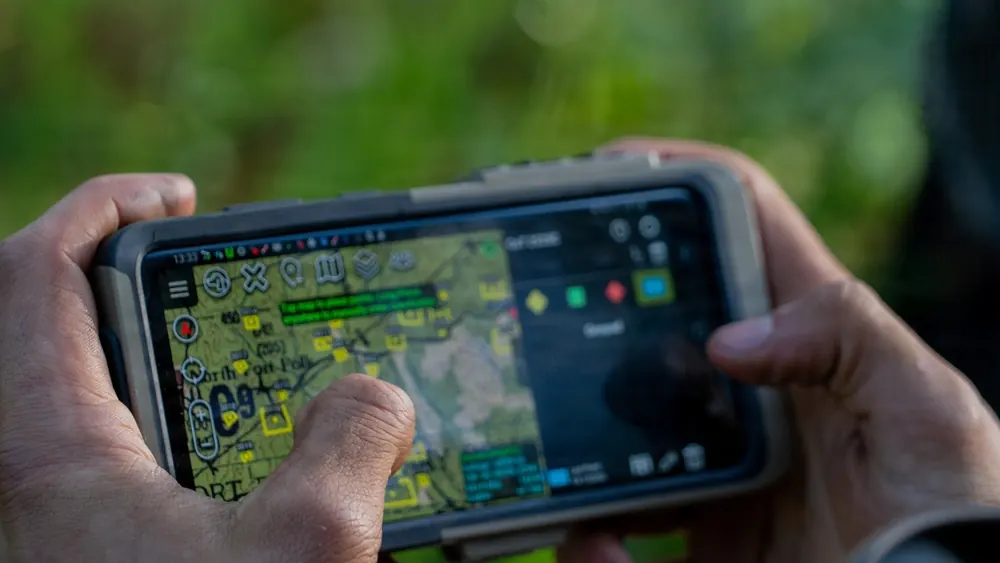
- ATAK PlatypOS sends what it finds to ATAK, so operators see it on the devices they already carry.
- SAPIENT-compatible C2 PlatypOS speaks SAPIENT, so its detections arrive in any SAPIENT-compatible C2 system.
- PlatypOS PlatypOS’s own operator picture puts every contact on a map and leaves the decision with the operator.
- Third-party C2 PlatypOS sends what it finds to third-party C2 systems, in the formats they already accept.
Civilian
PlatypOS is also the console, so the people watching the site see the picture and decide in PlatypOS itself.
PlatypOS
Defence
PlatypOS turns what the radio hears into identified, located contacts and passes them to your C2.
Civilian
PlatypOS is also the console, so the people watching the site see the picture and decide in PlatypOS itself.
ComputeYour platformYour environment
- LYREBIRD LYREBIRD is Panop’s own node, built and validated for PlatypOS. Learn more
- NVIDIA Jetson PlatypOS runs on an NVIDIA Jetson module with a software-defined radio attached.
- Raspberry Pi PlatypOS runs on a Raspberry Pi with a software-defined radio, for small, low-power nodes.
- Rugged x86 mini PC PlatypOS runs on a rugged x86 mini PC with a software-defined radio attached.
- Intel or AMD edge computer PlatypOS runs on an Intel or AMD edge computer with a software-defined radio attached.
- Your own hardware PlatypOS runs on the computer the platform already carries, with a software-defined radio attached.
PlatformSite
Defence
- IFV An infantry fighting vehicle carries a node that senses the spectrum around the formation while it moves.
- Drone A drone lifts a node above the terrain, so it hears emitters that nodes on the ground cannot.
- Uncrewed surface vessel An uncrewed surface vessel takes a node out to sea without putting a crew at risk.
- Warship A warship carries a node that watches the spectrum around the fleet and shares it with every other node.
- Infantryman A dismounted soldier carries a node in a pack, so the section senses and locates emitters on foot.
Civilian
- Power plant A node at a power plant watches for drones and jamming around the site, day and night.
- Data centre A node at a data centre detects rogue transmitters and covert devices inside the perimeter.
- Port A node at a port monitors the spectrum across the berths, cranes and approaches.
- Airport A node at an airport detects drones and interference near the runways before they become a hazard.
- Prison A node at a prison detects contraband phones and drones over the walls.
- Stadium A node at a stadium watches the crowded spectrum of a match day for drones and interference.
- Police car A node in a police car detects and monitors drones and transmitters while the car is on patrol.
Characteristics
Software-defined
Each PlatypOS node is multi-function and can swap tasks in the field instantly - including detection and classification, locating and prioritising possible threats, active learning, and offering a variety of options to operators for response and countermeasures.
Cognitive
PlatypOS nodes don’t have to rely on static and outdated threat libraries - they monitor the behaviour of emitters, and can detect threats, even when they’re hidden.
Adaptive
Sophisticated threats are capable of changing frequency, emission patterns, behaviour, and more. PlatypOS detects these threats, adapts to them, and counters them at light speed.
Total electromagnetic superiority.
Total electromagnetic security.
Works with what you already run
ATAK
Contacts appear in ATAK, and in CivTAK, its civilian version, on the devices your team already carries. They see what the mesh has found on the map they already work from, so they can act on it straight away, with no extra screen to watch and no new system to learn.
SAPIENT
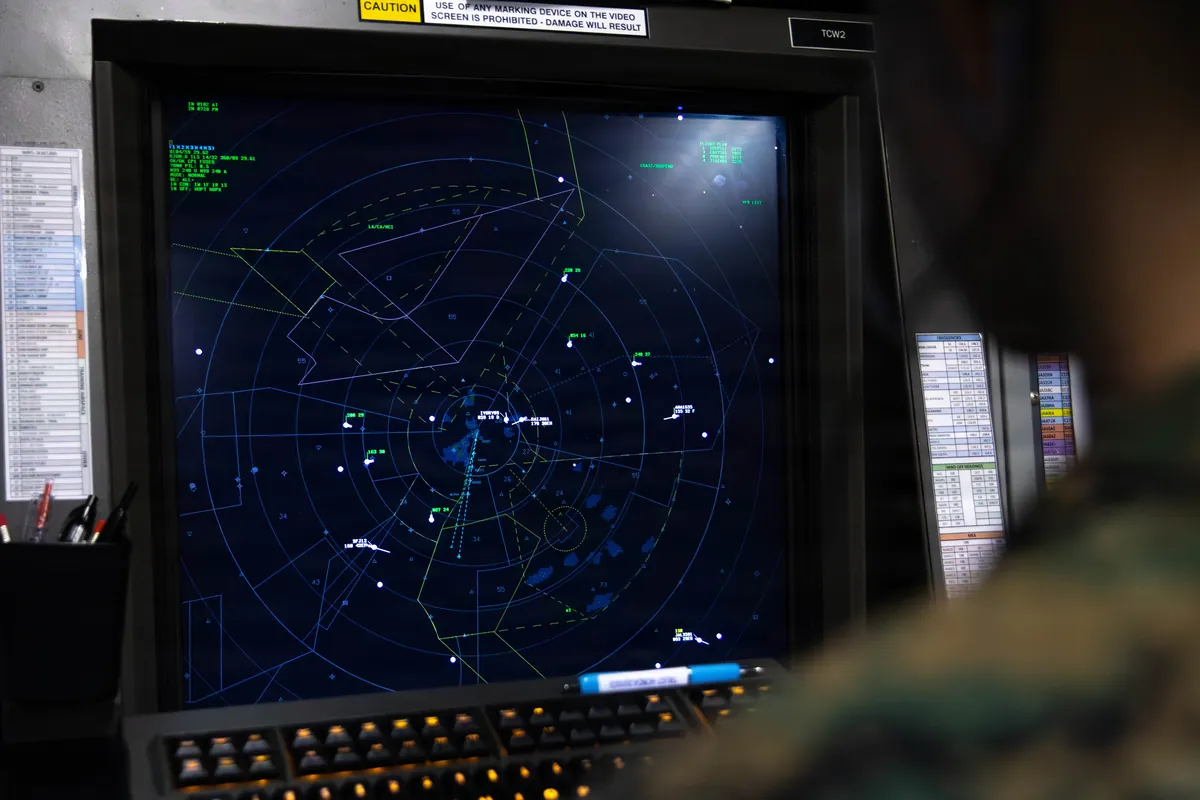
Detections arrive in any SAPIENT-compatible C2 system, so commanders see the electromagnetic picture alongside everything else they track. PlatypOS joins the sensors you already rely on, with no separate console to staff and no new workflow to build around it.


Your own compute
PlatypOS runs on any hardware: whether on your existing vehicle compute, or on commercial components such as NVIDIA Jetson, Raspberry Pi, or rugged mini PCs with a software-defined radio.
Two configurations
Select your industry
Defence
For forces in the field. Nodes ride on vehicles, vessels, drones and soldiers, and report to the C2 your operators already use.
Runs onLYREBIRD-F and LYREBIRD-D, or your own compute
Book a demoCivilian
Purpose-built for the security and regulatory needs of critical infrastructure, mines, ports, airports, aviation and maritime logistics. PlatypOS is the console.
Runs onLYREBIRD-C, or your own compute
Book a demoCommon Questions
What hardware does PlatypOS need?
A computer with a software-defined radio, either built in or attached. That can be an edge computer, a rugged mini PC, an NVIDIA Jetson, a Raspberry Pi, or one of Panop’s LYREBIRD nodes.
Does it require a cloud connection or radio backhaul?
No, PlatypOS is designed to operate even when no connection is available. However, if these are available, it will make use of them as configured by your organisation and/or the operator.
How do PlatypOS nodes connect to each other?
By default, nodes connect through a mesh that PlatypOS sets up and manages itself. They can also be configured to join any network you already run.
How does it work with the C2 we already use?
It sends what it finds in Cursor-on-Target and SAPIENT, so contacts appear in ATAK and in SAPIENT-compatible C2 systems. It feeds your common operating picture rather than competing with it.
How does it identify an emitter it has never seen?
It classifies emitters by how they behave instead of matching them against a stored list of signatures, so an emitter it has never seen is still identified, with no update to wait for.
Will a node ever transmit without our say-so?
No. Nodes never transmit outside the rules of engagement the operator sets. A node can be set to receive only, for a covert insertion or an urban mission, and transmission can be blocked outright, with an emergency override.
Is it fully autonomous, or does a person decide?
Both are available. PlatypOS can act autonomously within the limits you set, or keep a human in the loop who approves each action. Either way, an operator can watch what it is doing and take over at any time.
How long does it take an operator to learn?
An operator learns the current feature set in half a day, and hands-on training takes less than a week. The technical detail stays out of the way unless the operator asks for it.
What is PlatypOS not?
It is not a radar, and it has no radar functionality. It is not only a counter-drone system. It does not replace your C2: it feeds the picture you already have. And it is not a replacement for your specialist operators or the systems they already use. It builds on them and takes nothing away.
Is there a civilian version?
Yes. The civilian version is purpose-built for the security and regulatory needs of critical infrastructure, mines, ports, airports, aviation and maritime logistics. On a civilian site there is no separate C2, because PlatypOS is the console.